How Do JINPAT LPT Hollow Shaft Slip Rings Perform in Gimbal Systems?
Drone2026-09-01
Q: Why are hollow shaft slip rings suitable for gimbal equipment?
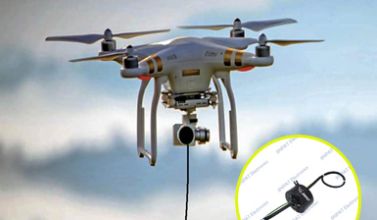
Gimbal and PTZ (Pan-Tilt-Zoom) systems often require cables, optical fibers, or mechanical linkages to pass through the center of the rotation axis. The JINPAT LPT series features a through-bore (hollow shaft) design that allows these internal cables or shafts to pass directly through the center; the slip ring itself transmits power and signals around them without increasing the overall bulk of the assembly.
Q: Can it handle both signals and Ethernet data simultaneously?
Yes. The LPT integrates multiple electrical signal channels alongside dedicated Ethernet channels. This enables the gimbal system to transmit control commands, sensor feedback, and high-bandwidth network data (such as video feeds from onboard cameras) simultaneously through a single rotating interface.
Q: Gimbals are frequently subject to motion and vibration—can the LPT handle this?
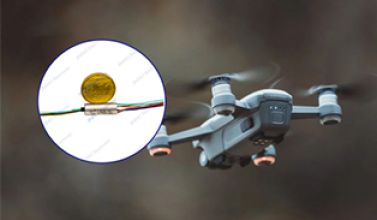
This is a key design consideration. Gimbal platforms mounted on drones, vehicles, or robotic arms are exposed to continuous vibration and occasional mechanical shock. The LPT hollow shaft slip ring utilizes reinforced internal contacts and a specialized structural design to ensure stable signal transmission under these conditions, thereby minimizing the risk of connection interruptions during operation.
Q: In which applications are these slip rings commonly used?
Aerial and ground-based gimbal camera systems, stabilized sensor platforms, robotic gimbal units, and any rotating mechanism requiring strict data continuity and resistance to mechanical vibration.
Q: Is it difficult to integrate into existing gimbal designs?
Because the hollow shaft design allows cables to pass through, integration is generally simpler than installing solid-shaft slip rings. This advantage is particularly significant in compact gimbal housings where space around the rotation axis is limited.

 Facebook
 Reddit
 Twitter
 LinkedIn
 Youtube